AI isn’t just about replacing work – it’s about redesigning how we work.
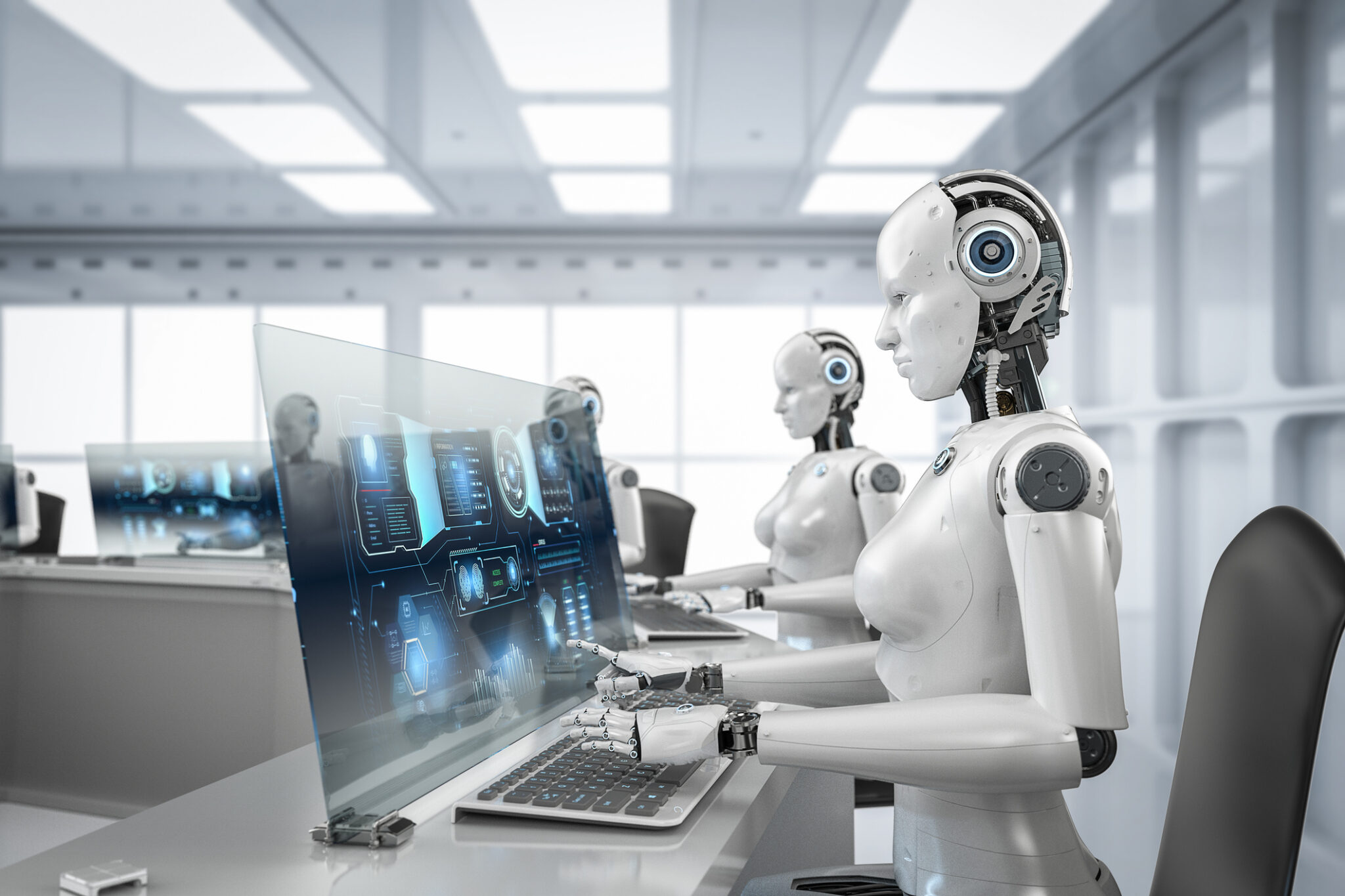
For many businesses, the conversation around artificial intelligence has been shaped by fear: fear of job loss, creative replacement, and technology moving faster than we can adapt.
But there is another, more optimistic possibility.
What if AI could help us work better, not just faster? What if the real opportunity is not to squeeze more productivity into the same long workdays, but to make space for shorter, more focused, and more human working lives?
Used thoughtfully, AI has the potential to reduce repetitive admin, streamline everyday business systems, and give people more time for the work that requires care, strategy, creativity, and judgement.
In other words, AI does not need to be framed only as a threat to jobs. It can also be seen as a tool for rethinking how work is structured, measured, and valued.
AI is already changing the everyday workday
For many people, AI is already part of the working day. Microsoft and LinkedIn’s 2024 Work Trend Index found that 75% of knowledge workers were using AI at work, with employees reporting that AI helped save time, enhance creativity, and improved focus on their most important work. The same report found that 78% of AI users were bringing their own AI tools to work, which shows how quickly people are adopting these tools even when their organisations do not yet have clear systems in place.
This shift is already visible in small but meaningful ways.
Everyday tools, bigger scale
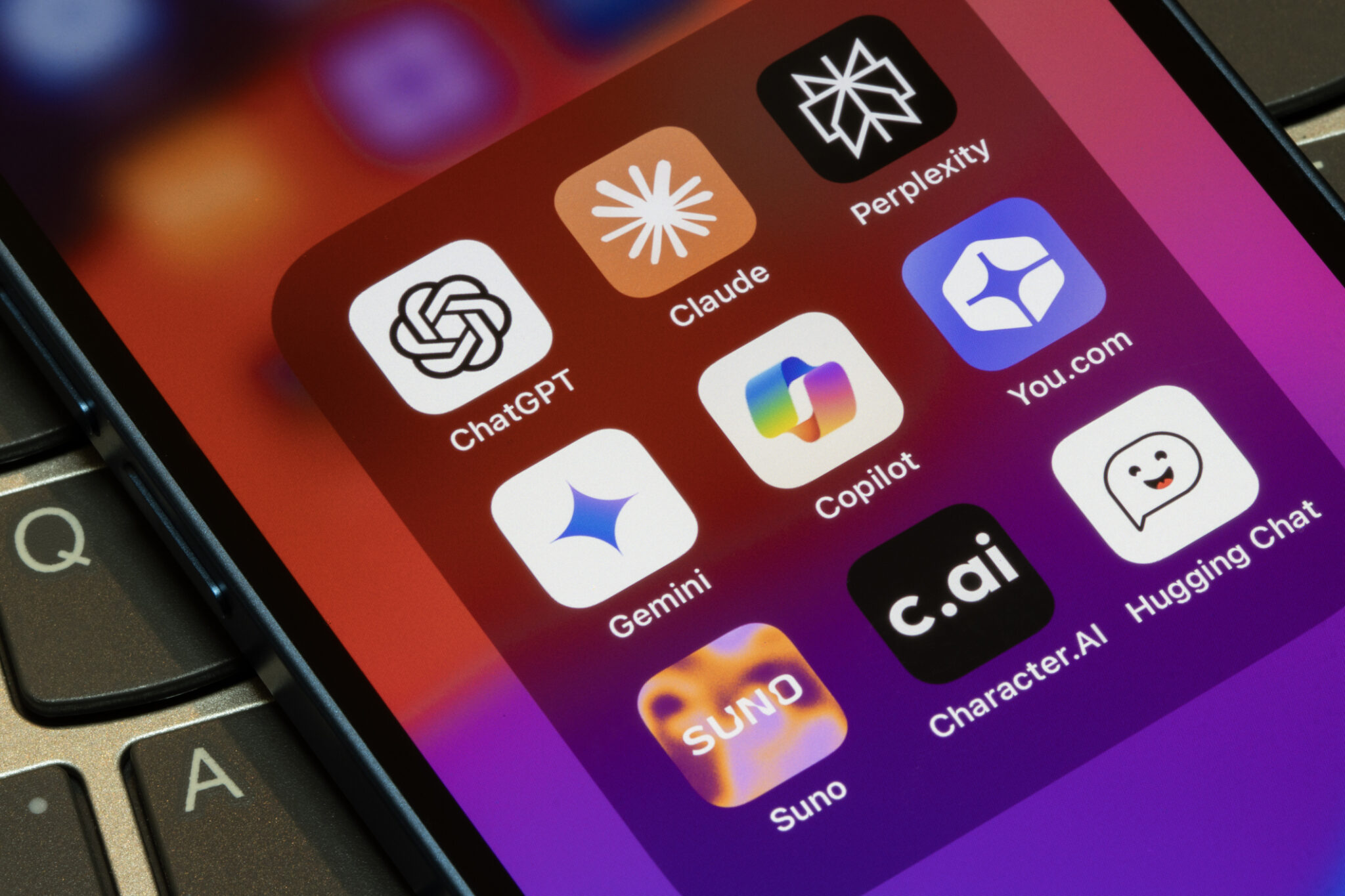
Tools like ChatGPT, Claude, Gemini, Copolit, and other AI assistants can help draft detailed emails, summarise long notes, turn rough ideas into structured outlines, brainstorm subject lines, prepare meeting agendas, generate first-pass social media captions, or repurpose content into different formats.
This kind of AI support is not entirely new. Most of us have been using simpler forms of AI for years through tools like spell check, predictive text, autocorrect, grammar suggestions, smart email prompts, spam filters, GPS route suggestions, search autocomplete and content recommendations.
The difference now is scale. Instead of suggesting a single word, correcting a typo or recommending the quickest route, newer AI tools can help draft, summarise, organise, and structure entire pieces of work.
Meeting tools are changing too. Zoom’s AI Companion, for example, can help generate meeting summaries, identify action items, and support follow-up after calls, reducing some of the admin that often sits around meetings. Just don’t forget to turn it off for all meeting attendees when you and your coworker, for example, are discussing strategy before a sales meeting – something we learned, awkwardly, a little too late.
AI is also reshaping design and content production. Adobe Photoshop’s Generative Fill allows users to add, remove, or edit image content using prompts, while Canva’s AI tools support writing, image generation, editing, layout creation, and design assistance within its platform.
For small businesses, agencies, companies, NFPs, and purpose-driven organisations, this can be genuinely useful. A task that once took 45 minutes might take 15. A blank page becomes easier to start. A messy set of notes can become a workable first draft.
Why the human layer still matters
But the key phrase is first draft.
AI is most effective when it is treated as a thinking, drafting, and structuring tool – not a replacement for human judgement.
A copied-and-pasted AI response often feels generic. It may include awkward phrasing, formatting issues, or punctuation that does not match the writer’s natural voice. Long em dashes, in particular, have become increasingly recognisable in AI-generated copy – in emails, articles, and social posts. Used without intention, these patterns can make writing feel careless or obviously machine-assisted.
The strongest use of AI still involves a human layer: editing, refining, fact-checking, adjusting tone, adding context, and making sure the final output sounds like the person or organisation behind it.
The real opportunity is better systems, not just faster output
The most useful applications of AI are not always the most dramatic. Often, the biggest gains come from reducing the repetitive tasks that quietly drain time across a business.
Think about the everyday admin that sits around the edges of meaningful work: drafting follow-up emails, summarising client calls, preparing project notes, organising tasks in a CRM, checking whether a document answers the brief, generating a first version of a proposal, or pulling key points from a long thread.
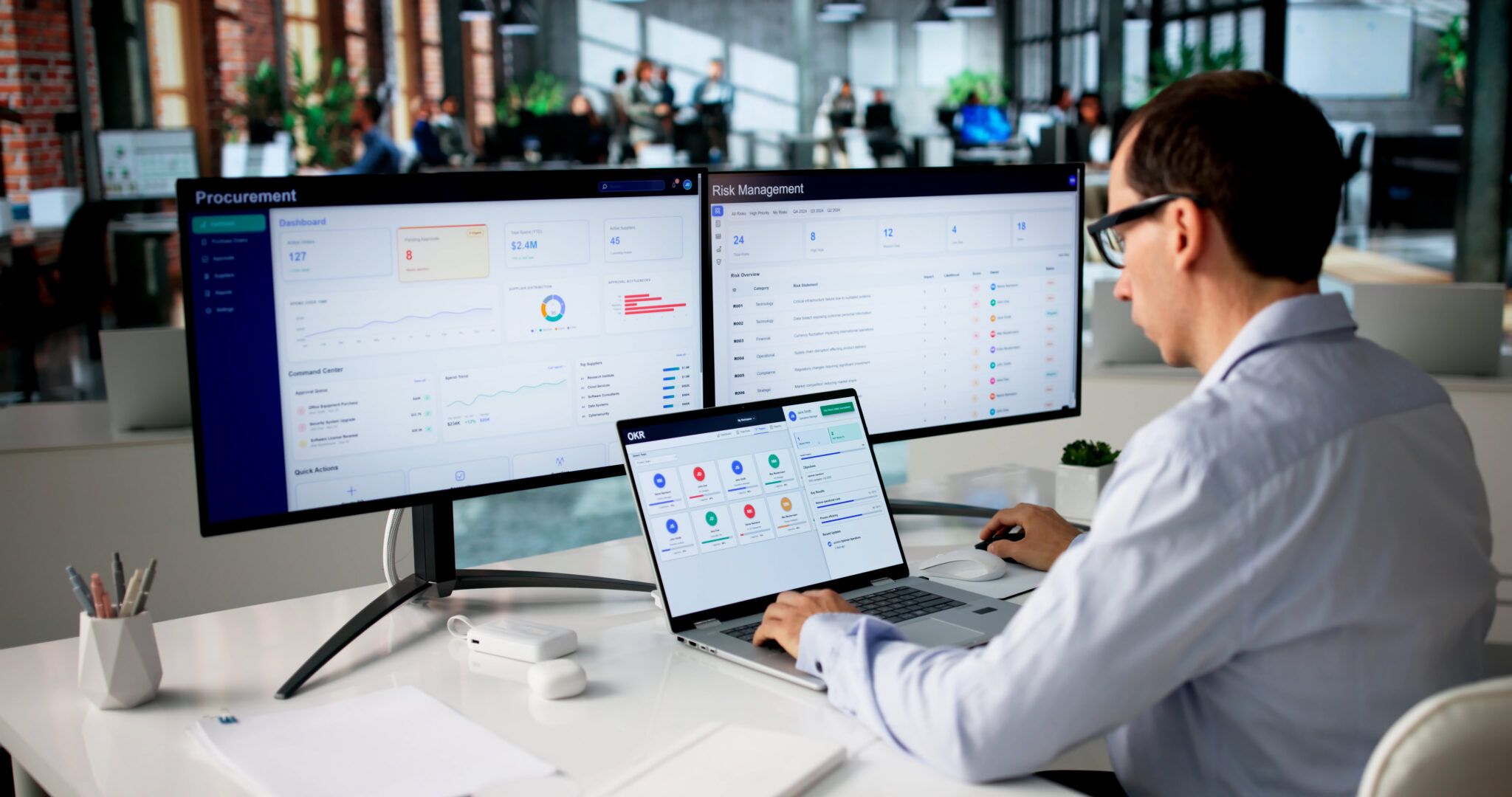
Asana’s 2023 Anatomy of Work Global Index found that workers lose 3.6 hours per week to unnecessary meetings, use 10 apps per day, and lose 62% of the workday to repetitive, mundane tasks – all examples of what Asana calls ‘work about work’, or the coordination, communication, and admin around the actual work people were hired to do.
This is where AI becomes interesting.
Not because every task should be automated, but because many businesses are carrying unnecessary friction in their systems. AI can help identify, reduce, or remove some of that friction.
Practical ways AI can support better systems
For example, AI can be used to:
- draft CRM follow-ups based on where a client sits in the sales process
- summarise meeting notes into action items
- generate first-draft onboarding documents
- create reusable email templates
- organise project information into clearer structures
- support content calendars and campaign planning
- analyse long documents and pull out key themes
- help designers speed up image editing, resizing, and content adaptation
- help developers and advanced users build custom internal tools
This last point is becoming more relevant as AI-assisted coding tools develop. Anthropic describes Claude Code as an agentic coding tool that can read codebases, edit files, run commands, and integrate with development tools. Used well, tools like this can support workflows such as building features, fixing bugs, connecting external tools, and automating repeatable development tasks.
For many organisations, this could mean creating custom internal tools, automations, or lightweight systems that previously required a larger development budget. That might include internal dashboards, simple CRM extensions, project trackers, content review tools, or operational tools tailored to the way a team actually works.
And for many organisations (added ‘and’ here), the goal should not be to replace people. It should be to reduce the time people spend on repetitive coordination tasks, so they can spend more time on strategy, relationships, service delivery, creative thinking, and decision-making.
AI could strengthen the case for a shorter work week

For years, forward-thinking countries and organisations have explored whether we can work fewer hours without reducing pay or productivity. The four-day work week is often framed as idealistic, but the evidence from major trials is increasingly difficult to ignore.
In the UK, a major four-day work week trial involved 61 organisations and around 2,900 workers over six months, with employees working reduced hours while maintaining full pay. Researchers from the University of Cambridge reported that 71% of employees had lower levels of burnout, 39% were less stressed, sick days fell by 65%, and staff departures fell by 57% compared with the same period the previous year. Company revenue was broadly maintained, increasing by 1.4% on average for the organisations that supplied revenue data.
Iceland is another widely cited example. Between 2015 and 2019, large-scale trials reduced working hours to 35–36 hours per week with no reduction in pay. According to Alda and Autonomy’s report on Iceland’s shorter working week trials, the trials involved more than 2,500 workers, productivity and service provision remained the same or improved across the majority of workplaces, and worker wellbeing improved across indicators such as stress, burnout, health, and work-life balance. Following the trials, around 86% of Iceland’s workforce had either moved to shorter hours or gained the right to shorten their hours.
How AI could make shorter weeks more practical
AI alone will not create a four-day work week. It will not automatically improve workplace culture, fix poor management, or guarantee fairer working conditions.
But it could make shorter work weeks more practical.
If AI can reduce repetitive admin, improve processes, and help people complete high-quality work in fewer hours, it strengthens the argument that productivity should not be measured by time spent at a desk. For creative industries, this could also support a shift towards pricing based on the value of the work delivered, rather than the number of hours spent producing it.
More hours do not always mean more output
One of the most persistent myths in work culture is that more hours automatically means more productivity.
Research on working hours suggests the relationship is not that simple. Stanford economist John Pencavel’s research on the productivity of working hours found that output does not rise evenly as hours increase, with productivity declining when working hours become too long. His work has also linked long working hours with greater risks to health, wellbeing, accidents, and injuries.
This aligns with what many people already know from experience: most of us are not doing deep, focused, high-quality work for eight hours straight every day.
A large part of the traditional workday is taken up by inbox management, meetings, searching for information, formatting documents, following up on tasks, switching between platforms, and doing the small administrative jobs that make work feel heavier than it needs to be.
If AI helps reduce that load, the future of work does not have to mean producing more and more in the same long workday. It could mean producing what matters in less time.
The risk: AI could make work more intense, not more humane
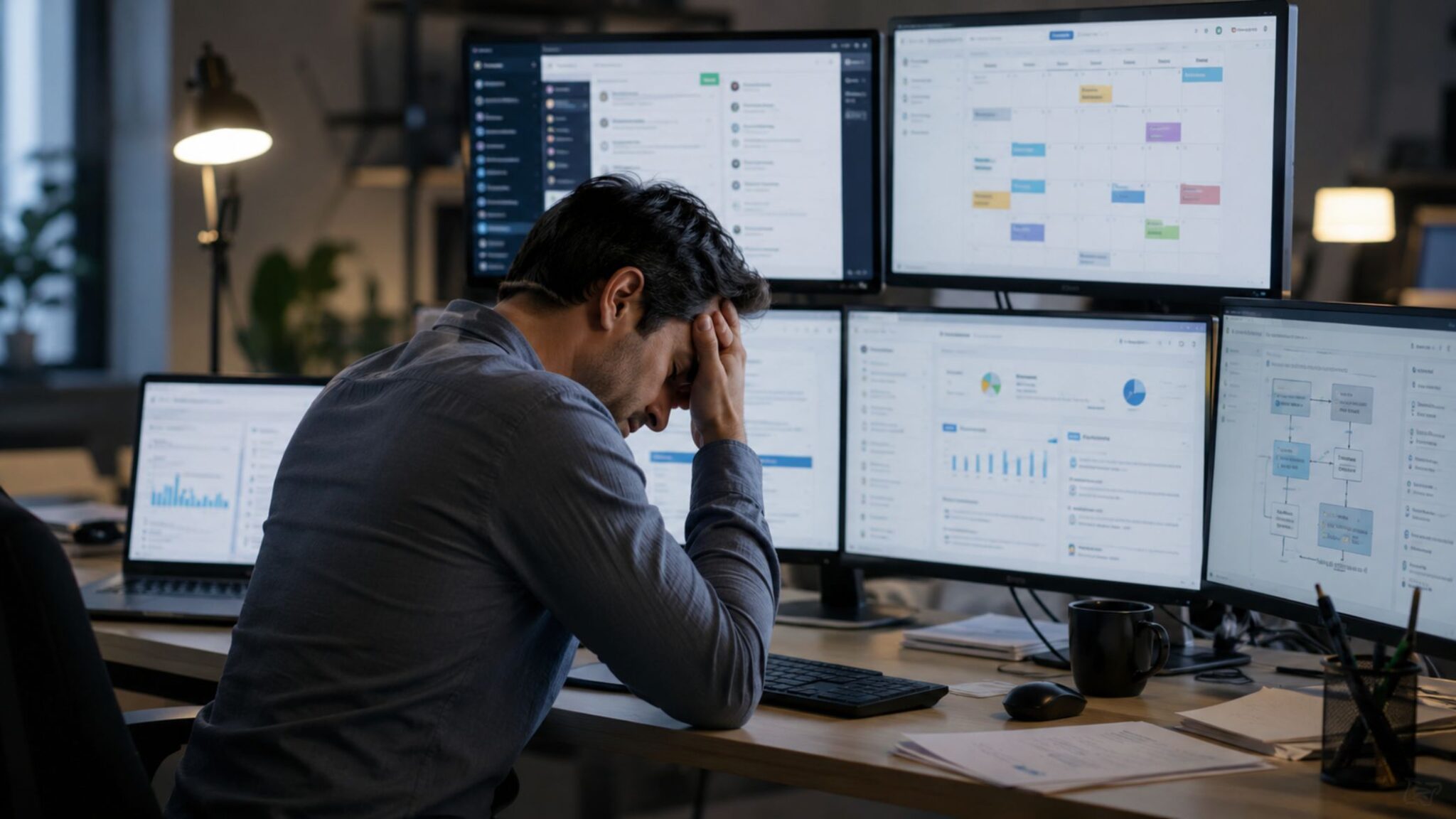
Of course, this more optimistic future is not guaranteed.
There is a real risk that AI simply becomes another tool for extracting more output from people. If organisations use AI only to raise expectations, increase workloads, and speed up delivery without improving pay, working conditions, or wellbeing, then the promise of efficiency becomes another form of pressure.
That is why the question is not just Can AI make us faster?
The better question is:
What should we do with the time AI helps us save?
Do we fill it with more tasks, more meetings, and more deliverables? Or do we use it to create more sustainable workdays, better client experiences, more thoughtful creative work, and more time for rest, care, family, community, and life outside work?
The answer depends on how businesses choose to implement AI.
Human judgement still matters
AI can be brilliant at structure, pattern recognition, summarising, and generating starting points. But it still needs human direction.
It cannot replace lived experience, ethical judgement, brand understanding, emotional nuance, deep client relationships, or design craft. It cannot always tell whether a message feels too blunt, whether a design decision aligns with an organisation’s values, or whether a piece of copy will land well with a specific audience.
AI can also make mistakes. It can invent information, flatten nuance, or produce writing that sounds polished but lacks substance. Canva notes that users should review AI-generated outputs where accuracy is important because AI can make mistakes.
That is why businesses need clear internal practices for using AI well. Not fear-based bans, but thoughtful guidelines.
This might include:
- avoiding the use of confidential client information in public or consumer-facing AI tools unless the organisation has reviewed the tool’s privacy settings, data use policies, and account controls
- checking all factual claims before publishing
- editing AI-generated drafts so they match the organisation’s voice
- using AI to support thinking, not replace responsibility
- being transparent about AI use, where appropriate
- training team members to use tools safely and effectively
- reviewing outputs for accessibility, inclusion, and bias
This is why clear internal AI guidelines matter. The rise of ‘bring your own AI’ in workplaces can make it harder for organisations to manage AI use strategically and protect company data. Without clear guidelines, teams may use AI in inconsistent ways, potentially creating risks around privacy, accuracy, brand voice, and client confidentiality.
The point is not to remove the human from the process. The point is to make the human part of the process more valuable.
What does this mean for the design industry?
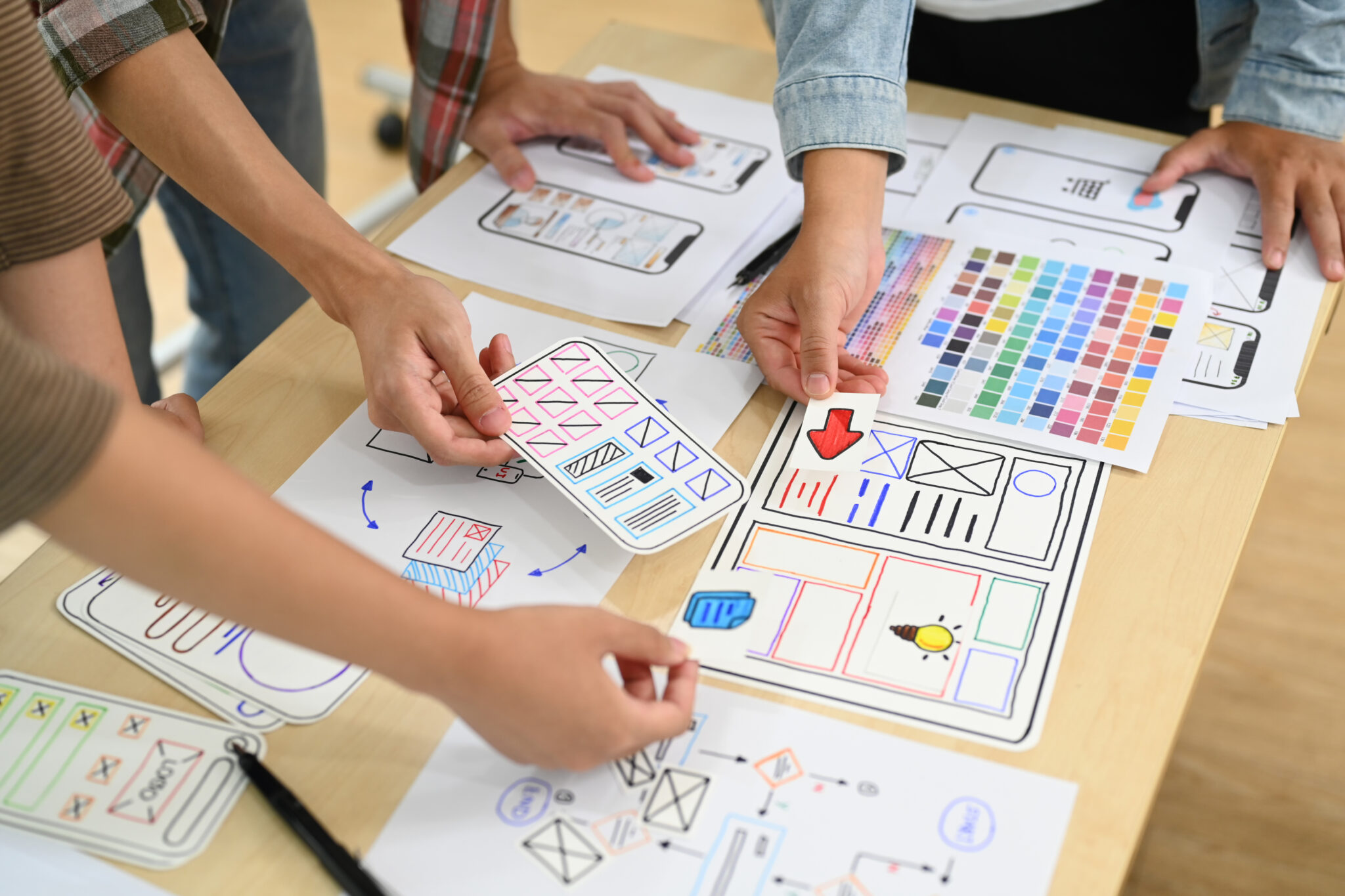
The design industry is already being reshaped by AI and accessible creative tools.
Small businesses, organisations, and internal teams are increasingly using platforms like Canva to create their own social media tiles, flyers, presentations, and basic brand assets. Canva’s AI platform includes tools for design creation, image generation, editing, and brand-aligned content, making visual communication more accessible to people without formal design training.
This is not necessarily a bad thing. In many cases, accessible design tools help organisations communicate more consistently, reduce bottlenecks for simple everyday collateral, and feel more confident creating basic assets internally.
But access to tools is not the same as design strategy.
AI can generate a layout, expand an image, remove a background, or suggest content. It can help with production speed. It can even help non-designers create something that looks polished at a glance.
What it cannot fully replace is the strategic thinking behind good design: understanding the audience, clarifying the message, creating hierarchy, managing accessibility, making brand decisions, interpreting stakeholder feedback, and knowing when something looks good but does not actually communicate well.
For graphic designers, the opportunity is to move further into the work AI cannot do on its own: strategy, creative direction, systems thinking, accessibility, ethical decision-making, and client guidance.
The designers who adapt well will likely be those who use AI to speed up repetitive production tasks while keeping human judgement at the centre of the process.
A better future of work is a design problem
At Ethical Design Co., we often think about design as more than how something looks. Design is also about systems, choices, experience, and impact.
The future of work is no different.
If AI is going to help us create better working lives, it needs to be intentionally designed into our businesses. That means asking better questions:
- What work actually needs a human?
- What repetitive tasks can be automated or simplified?
- Where can AI reduce stress instead of increasing expectations?
- How can we protect wages, creativity, and wellbeing?
- How can we use technology to create more space for the things that matter?
- How will AI affect creative industries, and how do we protect the value of human-led strategy and design?
AI is often framed as something to fear. But used thoughtfully, it could help us imagine a better version of work: one where technology supports human creativity, reduces repetitive admin, and makes space for more focused, meaningful, and sustainable working lives.
The goal should not be to use AI to make people work harder.
The goal should be to use it to help us work smarter, more sustainably, and more humanely.
Need design that brings clarity to complex ideas?
We help purpose-driven organisations turn complex information into clear, accessible, and engaging websites, reports, presentations, and digital collateral.
