
Over the past 6 months since being away from Australia I’ve taken countless busses, trains, cars, boats and aeroplanes to get from A to B. I have always tried to keep my travel footprint light, taking measures not to disturb nature, always properly disposing of rubbish, never taking more than I need with me, and of course, doing my best to support locals and appreciate cultural nuances that I may not always agree with.
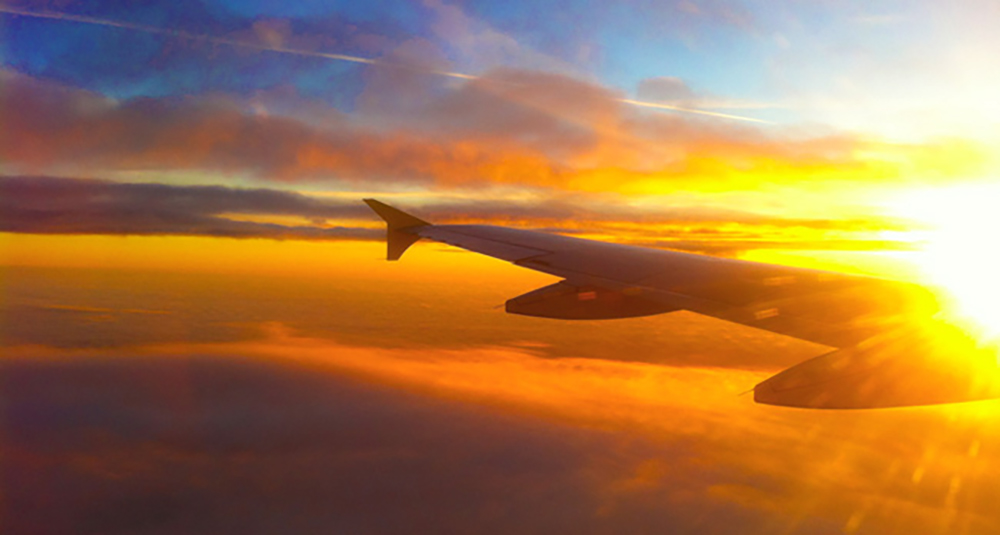
But one thing I have been concerned about since I embarked on this journey was the amount of CO2 I was inadvertently emitting by taking so many long-haul trips, especially when it came to commercial flights. The IPCC has estimated that aviation is responsible for around 3.5% of anthropogenic climate change, which in my opinion is rather significant.
So I did some research on how I could try and offset or neutralise this contribution, and I came across a wonderful business called Fifteen Trees. Fifteen Trees is a tree planting initiative that allows businesses and individuals to pay for the planting of trees in Australia in order to offset their carbon emissions for flying, driving or holding a conference. These trees, once planted, will sequester enough carbon over their lifetime to offset the carbon emissions of the given activity.

After doing my maths I worked out that I would need to pay for the planting of 50 trees in order to offset my carbon emissions from flights, from July to December. This was one tree for every hour I was flying. It was incredibly inexpensive and in my opinion, a wonderful way to travel guilt-free.
Some people might argue that doing something like planting trees to offset emissions is only ‘masking’ the real problem of allowing so much carbon to be emitted into the atmosphere in the first place. I appreciate this view, but believe that we live in a globalised world where travel opens us up to understanding different cultures and how we, as a developed society, can do things better in the long-term. I think the key here is to remember that if you do decide to travel long distances, you should take the time to educate yourself on the effect this will have on the environment and then form your own view on what you are and are not comfortable with.
Another way you can travel with a lighter footprint when travelling by land includes car sharing. I did this recently using BlaBlaCar from Brussels to Paris, and it was a very interesting and rewarding experience.
You should also remember to tick the ‘offset my emissions’ button when purchasing a flight. Many (but not all) airlines provide this option. This small contribution does not really offset the emissions for your flight, but instead this money is usually invested in international projects based around things like infrastructure for cleaner energy in remote areas. I believe this is still beneficial as every little bit counts!

Leave a Reply